What to Expect in Trauma Therapy: An Honest, Non-Scary Overview
Nervous about starting trauma therapy? Learn what to expect in trauma therapy, what your first session may be like, and how trauma informed treatment can help.
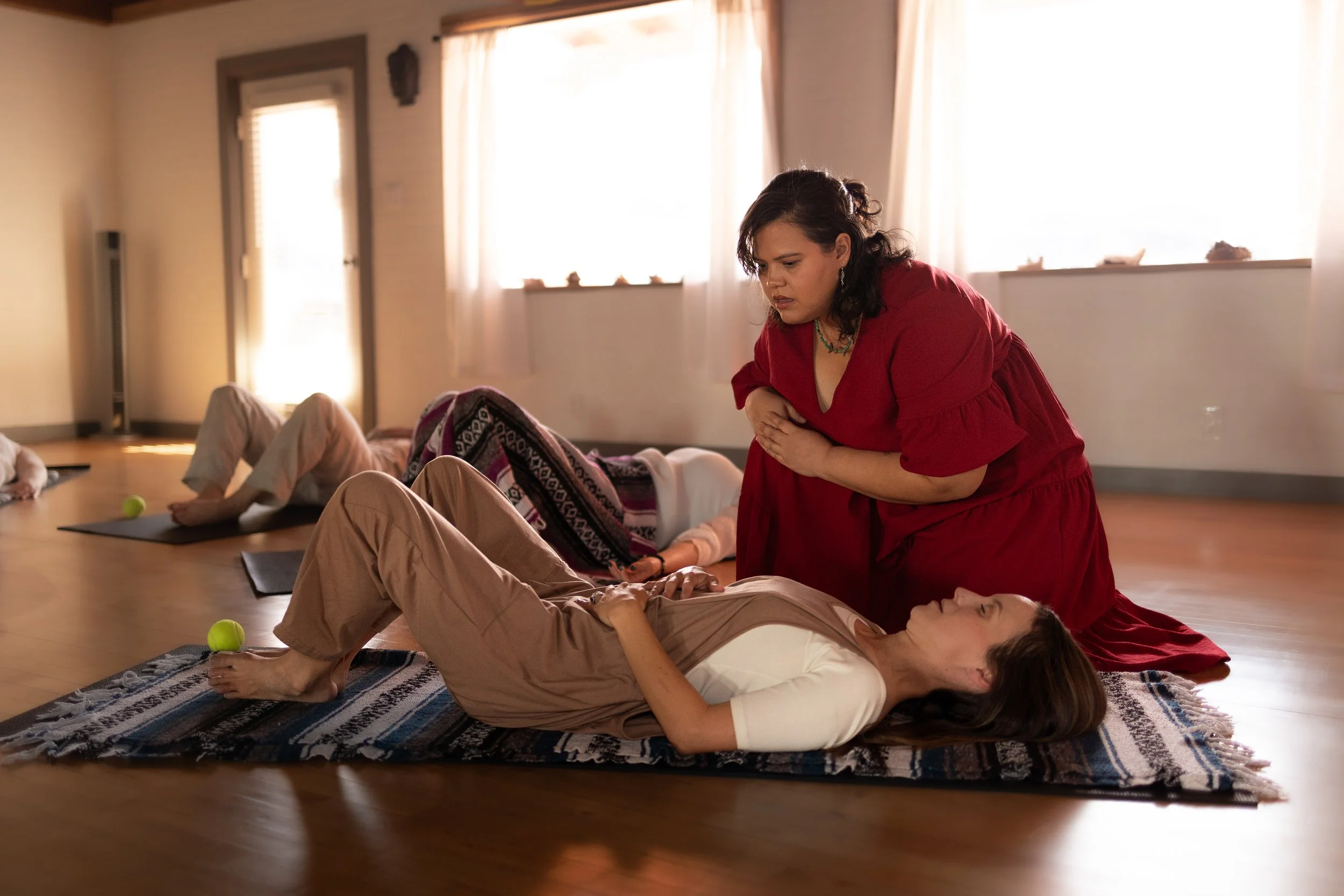
Starting therapy can feel intimidating.
Starting trauma therapy can feel even more intimidating.
You may have spent years trying not to think about what happened. You may worry that therapy will force you to talk about things before you are ready. You may be afraid that once you open the door to painful memories, you will not be able to close it again.
You might be wondering:
"What if I start crying and cannot stop?"
"What if talking about it makes everything worse?"
"What if I do not remember everything?"
"What if my trauma was not bad enough?"
These are incredibly common concerns.
The truth is that trauma therapy does not have to mean walking into your first session and immediately telling someone the most painful story of your life.
In fact, good trauma therapy usually begins by helping you feel safe enough to start.
Your First Trauma Therapy Session Is Mostly About Getting to Know You
During your first session, your therapist will typically spend time getting to know you.
They may ask what brought you to therapy and what you would like support with.
You might talk about:
Your current symptoms.
Stress in your relationships.
Anxiety or panic.
Difficulty sleeping.
Feeling constantly on edge.
Emotional numbness.
Experiences from your past.
You are not expected to explain your entire life story in one session.
You also do not need to remember every detail of what happened.
Your therapist is learning about you, your experiences, and what support may be helpful.
You are also learning about your therapist.
Therapy is a relationship, and it is okay to pay attention to whether you feel comfortable with the person you are working with.
You Do Not Have to Tell Everything Right Away
One of the biggest fears people have about trauma therapy is that they will be forced to relive everything.
You should not be pressured to share more than you are ready to share.
A trauma informed therapist understands the importance of pacing.
Sometimes therapy begins with what is happening in your life right now.
Maybe you are struggling with anxiety.
Maybe conflict makes you shut down.
Maybe you keep choosing relationships that hurt you.
Maybe you are exhausted from always feeling responsible for everyone else.
You can begin there.
Over time, you may start making connections between your current experiences and things that happened in the past.
Healing does not require forcing yourself into overwhelming memories before you have the support and tools to manage them.
Therapy Often Starts With Building Safety and Trust
Before doing deeper trauma processing, many therapists focus on helping clients develop a stronger sense of stability.
This might include learning:
How to recognize when your nervous system is becoming overwhelmed.
Ways to ground yourself in the present.
How to manage anxiety or panic.
How to notice physical signs of stress.
Ways to create emotional boundaries.
How to return to a calmer state after becoming activated.
This does not mean you have to be perfectly calm before you can work on trauma.
It simply means that therapy can help you develop resources that support you throughout the process.
Trauma Therapy Can Look Different for Everyone
There is no single version of trauma therapy.
Depending on your needs, your therapist may use approaches such as EMDR, cognitive behavioral strategies, somatic approaches, mindfulness, or other trauma informed interventions.
Some sessions may involve talking.
Some may focus on what is happening in your body.
Some may involve processing a memory.
Other sessions may focus entirely on something happening in your life that week.
Trauma therapy does not always move in a straight line.
Sometimes you may feel like you are making huge progress.
Other times, you may feel stuck.
Both experiences can be part of the process.
What If I Cry in Therapy?
You can cry.
You can be angry.
You can sit quietly.
You can say, "I do not know what to say."
You do not have to perform therapy correctly.
Your therapist is not expecting you to show up with the perfect words.
Some people cry during their first session.
Others take months before they feel comfortable expressing emotion.
There is no right way to experience therapy.
Will Trauma Therapy Make Me Feel Worse?
Sometimes therapy can bring difficult emotions to the surface.
When you begin paying attention to experiences you have spent years avoiding, you may temporarily notice more feelings, memories, or physical sensations.
But good trauma therapy should not be about repeatedly overwhelming you.
Your therapist should pay attention to your level of distress and help pace the work appropriately.
If you feel like therapy is moving too quickly, you are allowed to say so.
Therapy is collaborative.
You have a voice in the process.
What If I Cannot Remember My Trauma Clearly?
Not everyone remembers traumatic experiences in a clear, chronological way.
Some people remember specific details.
Others remember feelings, physical sensations, or fragments.
You may know that something happened without being able to explain exactly what.
You do not need a perfect memory for therapy to be helpful.
Therapy can focus on how you are feeling and functioning today.
How Long Does Trauma Therapy Take?
This is one of the most common questions, and the honest answer is that it depends.
Your history matters.
Your current symptoms matter.
Your goals matter.
Some people are seeking support around one specific traumatic event. Others are healing from years of experiences.
There is no deadline for healing.
Progress can also happen gradually.
You may notice that you recover more quickly after conflict.
You may set a boundary without feeling overwhelming guilt.
You may realize something that once triggered you no longer has the same power over you.
These changes matter.
Online Trauma Therapy Can Be a Good Place to Start
For some people, attending therapy from home can make the process feel more accessible.
You can meet with your therapist from a familiar environment without worrying about commuting to an office.
Online trauma therapy can also make it easier to access a therapist who is licensed in your state and has experience with the concerns you are seeking support for.
If you live in Arizona or Oregon, telehealth may allow you to access therapy without needing to live near a specific office.
Frequently Asked Questions
Do I have to talk about my trauma in therapy?
You do not have to share everything immediately. Trauma therapy can begin with your current symptoms, challenges, and goals. Over time, you and your therapist can determine what feels appropriate to explore.
What happens in the first trauma therapy session?
The first session usually focuses on understanding what brought you to therapy, learning about your current concerns, discussing relevant history, and beginning to identify your goals.
Is trauma therapy scary?
It can feel intimidating, especially in the beginning. A trauma informed therapist should help create an environment where you feel respected, heard, and able to move at an appropriate pace.
How do I know if I am ready for trauma therapy?
You do not have to feel completely ready or know exactly what you need before starting. Reaching out because you are struggling or want to understand yourself better can be enough.
You Do Not Have to Have Everything Figured Out Before You Start
You do not need to know exactly what to say.
You do not need to have every memory organized.
You do not need to prove that what happened was traumatic enough.
And you do not need to walk into therapy ready to unpack your entire life.
You can simply start where you are.
At Raha Wellness, we offer compassionate, trauma informed telehealth therapy for adults, children and families throughout Arizona and Oregon. Whether you are dealing with a specific traumatic experience, childhood trauma, complex trauma, or symptoms you cannot fully explain, therapy can provide a space to begin making sense of what you have been carrying.
You have already spent enough time surviving.
You deserve support as you learn what healing can look like.