PTSD Isn't Just for Veterans: Signs of Trauma You Might Be Missing
PTSD can affect anyone after trauma, not just veterans. Learn common PTSD symptoms, overlooked signs of trauma, and when therapy may help.
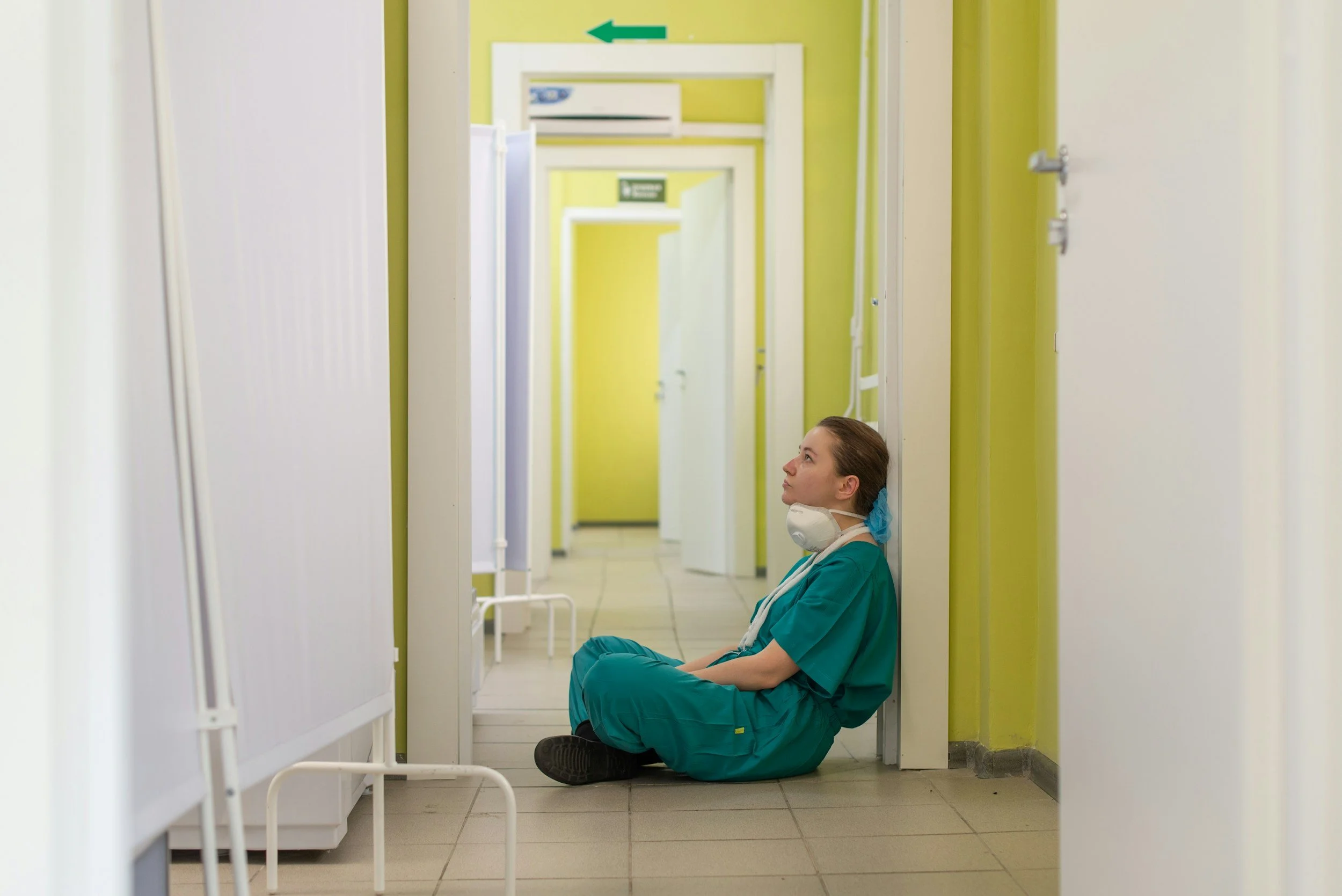
When many people hear the term PTSD, they immediately picture a military veteran who has experienced combat.
And while veterans absolutely can experience PTSD, trauma is not limited to war.
PTSD can develop after many different experiences, including childhood abuse, sexual assault, domestic violence, serious accidents, medical trauma, natural disasters, sudden loss, or witnessing something frightening.
Sometimes the trauma is one major event.
Sometimes it's years of experiences that made you feel unsafe.
And sometimes, people don't realize that what they're experiencing could be connected to trauma at all.
You may simply think:
"This is just how I am."
"I'm too sensitive."
"I should be over this by now."
"Why can't I just relax?"
But sometimes what looks like anxiety, irritability, avoidance, or difficulty trusting people is actually a nervous system that learned to stay on alert.
What Is PTSD?
Post traumatic stress disorder, or PTSD, is a mental health condition that can develop after experiencing or witnessing a traumatic event.
Not everyone who experiences trauma develops PTSD.
For some people, symptoms resolve naturally over time. For others, the nervous system continues responding as though the danger is still present.
PTSD can affect thoughts, emotions, behavior, relationships, sleep, and the body.
And it doesn't always look the way movies portray it.
You don't have to have dramatic flashbacks every day.
The Signs of PTSD You Might Be Missing
You Feel Constantly On Guard
Do you always scan the room when you enter somewhere?
Do you need to know where the exits are?
Do sudden noises make you jump?
Do you have difficulty relaxing because some part of you is always waiting for something to go wrong?
This can be a sign of hypervigilance, one of the ways PTSD can keep the nervous system prepared for danger.
Your body may be responding to the possibility of danger even when you're objectively safe.
You Avoid Certain People, Places, or Conversations
Avoidance is another common PTSD symptom.
You may avoid talking about what happened.
But avoidance can also be less obvious.
Maybe you don't like driving because of an accident.
You avoid doctors because of a frightening medical experience.
You don't like being alone.
You avoid relationships because getting close to someone feels dangerous.
Avoidance can provide temporary relief, but over time it can make your world feel smaller.
You Have Strong Reactions That Seem Bigger Than the Situation
Have you ever had a reaction and thought afterward:
"Why did that affect me so much?"
A certain tone of voice.
Someone standing too close.
A slammed door.
An argument.
A smell.
A particular date.
Sometimes seemingly ordinary things can activate memories stored in the nervous system.
Your reaction isn't necessarily about what is happening right now.
Your body may be responding to something it associates with what happened before.
You Have Trouble Trusting People
Trauma can change the way you experience relationships.
You may constantly look for signs that someone is going to leave, lie, hurt, or disappoint you.
You might struggle to believe someone when they tell you everything is okay.
You may expect people to eventually show you who they "really are."
These patterns can be especially common when trauma involved someone you were supposed to be able to trust.
You Feel Emotionally Numb
PTSD isn't always feeling too much.
Sometimes it's feeling almost nothing.
You may feel disconnected from yourself, your relationships, or things you used to enjoy.
You might think:
"I know I should be happy, but I just don't feel anything."
Emotional numbness can be one way the nervous system protects itself from overwhelming emotions.
Your Sleep Is Affected
Trauma can interfere with sleep in several ways.
You may have nightmares.
Difficulty falling asleep.
Frequent waking.
Restlessness.
Or you may feel exhausted but unable to fully relax.
Poor sleep can then make anxiety and emotional regulation even harder, creating a frustrating cycle.
You're Easily Irritated or Angry
PTSD isn't always sadness or fear.
For some people, trauma shows up as anger.
You may feel impatient, easily overwhelmed, or constantly irritated.
Small things can suddenly feel like too much.
This doesn't automatically mean you have PTSD, but persistent irritability can be part of the broader trauma response.
Can You Have PTSD and Still Function?
Absolutely.
This is one of the reasons PTSD can go unnoticed.
You can have a career.
Raise children.
Maintain relationships.
Pay your bills.
Show up for everyone else.
And still be struggling internally.
Sometimes people call this high functioning PTSD, although that isn't a formal diagnosis.
Being able to function doesn't mean you're unaffected.
It may simply mean you've become very good at functioning while carrying pain.
What If the Trauma Happened Years Ago?
PTSD symptoms don't always appear immediately after trauma.
Some people experience symptoms soon after an event.
Others notice changes much later, particularly when a new life event brings old experiences back to the surface.
You might have spent years believing you had "moved on" until something happens that activates the old response.
That doesn't mean you're going backward.
It may mean your nervous system is asking for something that wasn't fully processed before.
How Trauma Therapy Can Help
You don't have to spend the rest of your life managing symptoms without understanding where they come from.
Trauma therapy can help you explore the connection between your past experiences and your present day responses.
Depending on your needs, therapy may include approaches such as EMDR, cognitive behavioral strategies, somatic work, nervous system regulation, and other trauma informed approaches.
The goal isn't to erase your memories.
It's to help you feel safer in the present.
Frequently Asked Questions
Can you have PTSD without knowing it?
Yes. Some people don't recognize their symptoms as trauma related, particularly when they have become accustomed to living with hypervigilance, avoidance, emotional numbness, or relationship difficulties.
Can childhood experiences cause PTSD?
Childhood trauma can contribute to PTSD and other trauma related symptoms. The impact depends on many factors, including the nature of the experiences, their duration, and the support available afterward.
Can PTSD develop years after trauma?
Symptoms can become noticeable or significantly worsen long after a traumatic experience. A mental health professional can help determine whether current symptoms may be connected to past trauma.
Does PTSD go away?
Many people experience significant improvement with appropriate treatment. Trauma therapy can help reduce symptoms and improve quality of life.
You Don't Have to Look Like the Stereotype
You don't have to be a veteran.
You don't have to have dramatic flashbacks.
You don't have to be visibly struggling.
And you don't have to prove that what happened to you was "bad enough."
If something from your past continues to affect how you feel, think, relate to people, or experience your body, it may be worth exploring with a trauma informed therapist.
At Raha Wellness, we provide compassionate telehealth therapy for adults, children and families throughout Arizona and Oregon, including trauma focused therapy and EMDR.
You don't have to keep asking yourself why you're reacting this way.
Sometimes understanding the connection between your past and your present is the first step toward feeling like yourself again.